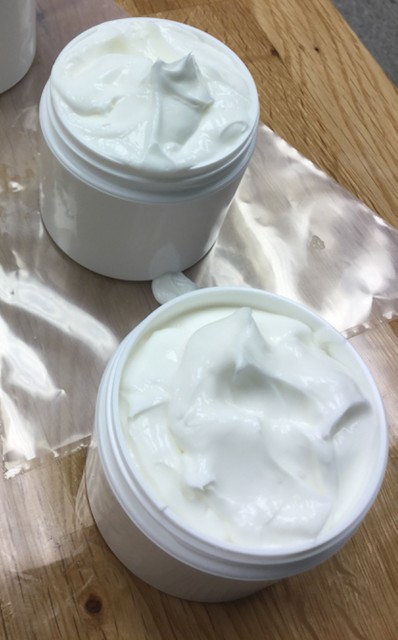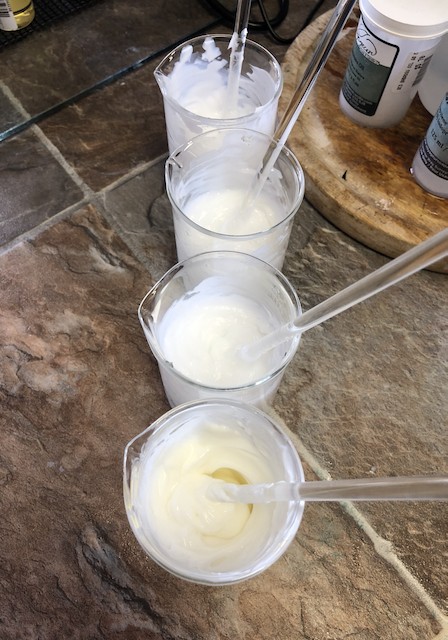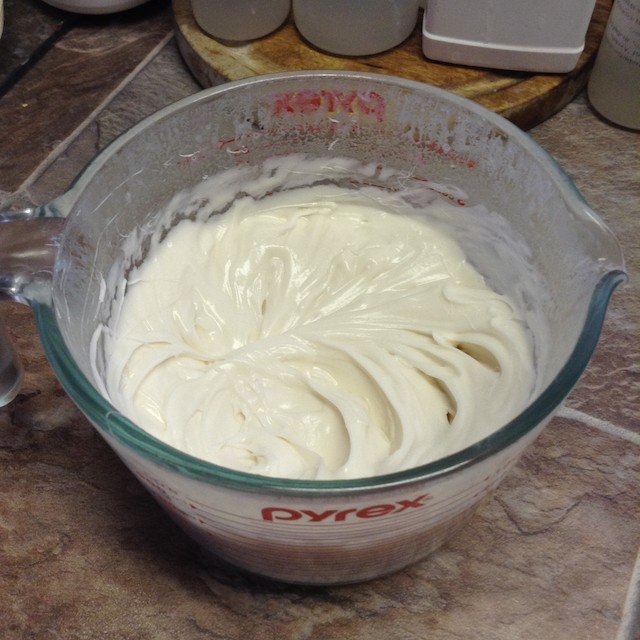
Combining emollients: Part two, Spreadability and spreading values

Welcome back to part two of this series on combining emollients. Yesterday, we took a look at the concept of combining emollients to create interesting sensory experiences. Today, let’s look at the concept of spreadability and spreading values. Spreadability is a huge consideration when choosing an emollient and we’ll be talking about it a lot...

This content is for Foundation, Formulation, and Innovation members only.
Subscribe
Already a member? Log in here

Combining emollients: Part one, introduction to the concept!

I am so so so happy right now! I’ve been putting together this series on combining emollients for a very very long time now. I’ve been sharing all kinds of information with you on the sensory characteristics of our emollients, and I wrote an e-zine on the topic back in April 2020 – which honestly...

This content is for Foundation, Formulation, and Innovation members only.
Subscribe
Already a member? Log in here

Zoom workshop for Sunday, July 19th: Solubility – meeting link, password, and formula handout

Join me for an all-new Zoom workshop this Sunday, July 19th at 11 am (PDT, Vancouver time) on solubility! Understanding what mixes with what is so vital to understanding how to create your own products and identify terrible recipes in the wild. We’ll investigate how our ingredients dissolve in water or oil as we make...

This content is for Foundation, Formulation, and Innovation members only.
Subscribe
Already a member? Log in here

Q&A: What does palm- or coco- etc. mean in an ingredient name?

When we’re looking at INCI names, you’ll see things like stearate, palmitate, cocoate, and more. What do these names mean? When an ingredient is derived from fatty acids, you’ll see a name like sodium stearate or ethylhexyl palmitate indicating which one they’ve used. If you see laur- in a name, it means it’s derived from lauric...

This content is for Foundation, Formulation, and Innovation members only.
Subscribe
Already a member? Log in here

Q&A: Why use cream of tartar instead of citric acid for fizz in bath bombs or solid bubble bath?

I wrote this last year, but didn’t share it, for some strange reason. It was supposed to come after the ingredient entry for cream of tartar last November… So why use might we use cream of tartar (INCI: Potassium bitartrate) instead of citric acid? Why do I use it in my bubble bath bars instead of citric acid?...

This content is for Foundation, Formulation, and Innovation members only.
Subscribe
Already a member? Log in here